

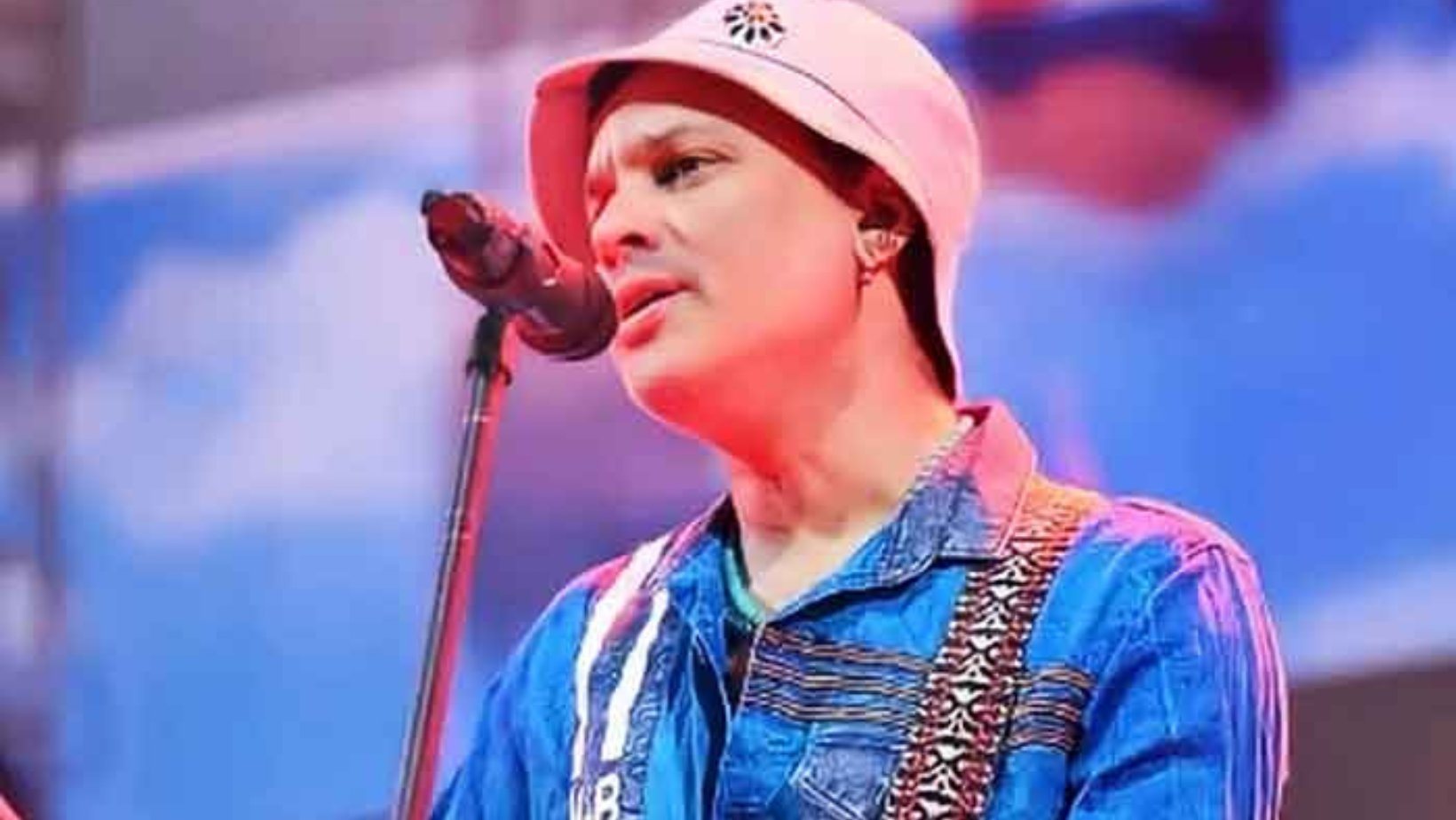
The news, when it broke, was a collective gasp that reverberated from the hills of Assam to the bustling metropolises of India and beyond.
Zubeen Garg, the man whose voice was the heartbeat of a generation, a cultural phenomenon, and a bridge between regional pride and national recognition, was no more.
His sudden and tragic passing in a scuba diving accident in Singapore on September 19, 2025, left a void that the music industry and his millions of fans are grappling to fill.
The outpouring of grief from artists, composers, and public figures is a testament to the profound impact of a musician who was not just a singer but a soul-stirring force.
The tributes began pouring in almost instantly, a digital memorial of sorrow and shock on social media platforms. From Bollywood legends to regional icons, everyone mourned the loss of a voice that transcended linguistic boundaries and genres. The grief was not just for a celebrity but for a friend, a mentor, and a force of nature.
One of the most poignant tributes came from Pritam, the music composer who collaborated with Zubeen on his breakout Bollywood hit, “Ya Ali” from the film Gangster. The song, a soulful rock ballad, catapulted Zubeen to national fame and remains one of his most iconic tracks. Pritam’s message was a raw expression of disbelief and sadness: “Zubeen Garg losing his life in an accident is just the most terrible and saddest news. Still trying to come to terms with it. My deepest condolences to Garima and his family. Om Shanti.” The words captured the shock felt by many who had worked with him, a shared sense of loss for a talent that was extinguished far too soon.
The renowned singer Papon, a fellow Assamese musician who shared a deep personal and professional bond with Zubeen, expressed his grief with a heavy heart. He described the news as “so shocking” and lamented the loss of “the voice of a generation.” For Papon, Zubeen was not just a colleague but “a friend, a brother.” This sentiment of personal loss was echoed by many of Zubeen’s contemporaries, who spoke of his generosity, his unpretentious nature, and his infectious passion for music.
Other artists from across the Indian music landscape also paid their respects. Singer Shaan, in a heartfelt post, recalled their friendship and regretted not staying in touch more often. “Zubin is truly a King!! Lived on his own terms. Left on his own terms,” he wrote, capturing the essence of Zubeen’s fiercely independent spirit.
Armaan Malik expressed his devastation and disbelief, while singer Harshdeep Kaur noted that Zubeen’s contribution to Assamese music and culture was “extraordinary.”
Beyond the music industry, the mourning was led by the highest echelons of Indian politics and society. Prime Minister Narendra Modi, Assam Chief Minister Himanta Biswa Sarma, leaders of opposition Rahul Gandhi and other leaders from across the political spectrum expressed their condolences.
This broad-based grief is a testament to Zubeen’s status as a cultural icon, a figure who united people through his art.
Assam’s Chief Minister, Himanta Biswa Sarma, perhaps articulated the regional sentiment best, calling Zubeen “one of its favourite sons.” He described how Zubeen’s voice had an “unmatched ability to energise people” and that his music “spoke directly to our minds and souls.” Sarma’s words captured the deep-seated pride and affection the people of Assam held for their “rockstar,” a man who not only gave them songs but also a sense of identity.
Actor Adil Hussain posted on X, “Devastated and shocked by the news of Zubeen Garg’s sudden death in an accident in Singapore. I am so very sad… His contribution to Assamese music and culture is extraordinary… He will live amongst us through his songs… Dear Zubeen I remember you with lots love and fondness.. May his singing soul rest in peace and God bless his soul… Good bye Zubeen.. Until we meet on the other side… Keep singing with your beautiful Voice and make Gods Happy.”
The grief extended beyond the public sphere and into the personal lives of those who knew him best. His childhood friend and musician, Manash Baruah, was visibly emotional in his tribute, stating that Zubeen “will always stay alive in my heart.” This private sorrow, shared by those who had known him since his formative years, provided a glimpse into the man behind the music—a man cherished for his warmth and genuine nature.
The outpouring of mourning for Zubeen Garg is more than just a reaction to a celebrity’s death. It is a collective recognition of the immense cultural and emotional impact he had on millions. He was a voice that defined a generation, a bridge that connected the rich musical heritage of Assam to the national stage, and a rebellious spirit who left an indelible mark on Indian music. His legacy is not just in the chart-topping hits but in the hearts of his fans, who will continue to find solace and inspiration in the timeless music of their favorite “rockstar.” While his magical voice may have gone silent, the echoes of his songs will continue to resonate, a permanent tribute to a life lived passionately for art and for the people he loved.
